Let clients recognise care separately from the case outcome.
An owner can be worried, disappointed or facing a difficult decision and still be grateful to the person who supported them. A brief QR interaction makes that contribution visible across veterinary, nursing, animal-care and client-care roles.
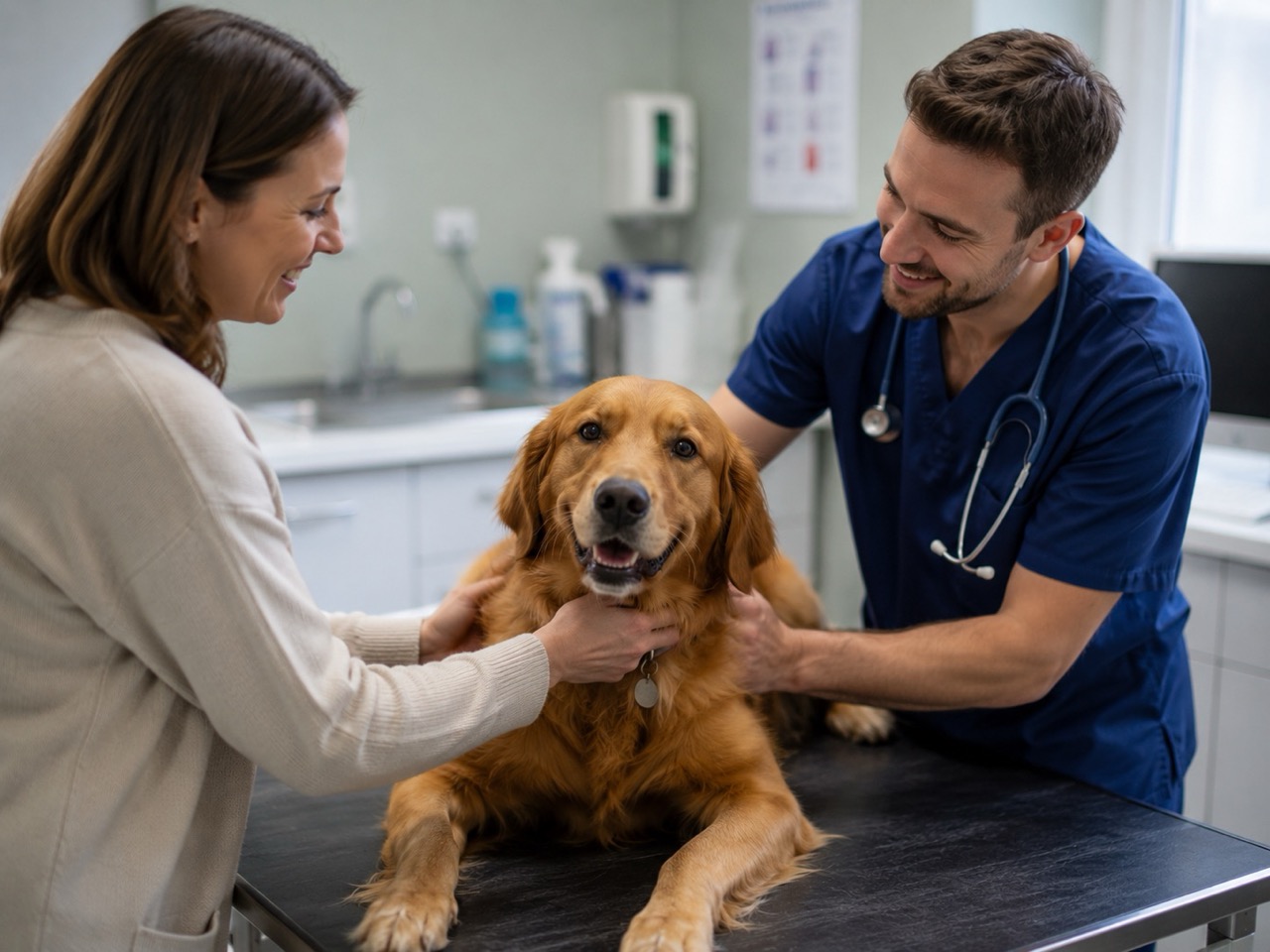
A difficult outcome can hide excellent human care
Practice reviews often combine clinical outcome, emotion, waiting time and cost into one judgement. Within that score may be an owner who valued the receptionist's urgency, the nurse's recovery guidance or the vet's honesty during a difficult conversation, even though the wider situation remained upsetting.
The person who handled the interaction well may never receive that recognition. Practice and group leaders also struggle to separate communication, reassurance and client support from factors that no individual colleague could control, leaving important strengths across roles and sites harder to identify.
Evidence that speaks your regulator's language
RCVS Practice Standards Scheme
Voluntary accreditation framework
Pulse can add structured owner and carer feedback to selected Practice Standards Scheme evidence areas, particularly Client Experience, Practice Team and Clinical Governance. It does not confer accreditation or replace the policies, records, facilities, clinical systems and assessment evidence required by the scheme.
Client Experience
Clients gain a consistent route to recognise named colleagues, creating experience themes practices can review alongside complaints, surveys and other feedback.
Practice Team
Veterinary nurses, animal care assistants and client-care colleagues receive visibility alongside vets, reflecting the full team clients actually encounter.
Clinical Governance
Recurring communication and experience themes can inform meetings, reflection and improvement activity without judging clinical decisions or outcomes.
Team and Professional Responsibility
Specific feedback can enrich supervision and development conversations about compassion, clarity and client support across different roles.
How feedback actually gets collected here
Discharge and recovery packs
A QR included with post-operative or treatment instructions lets owners respond after a vet or nurse has explained home care and warning signs.
Reception departure point
A discreet stand near check-out makes it easy to recognise client-care, nursing or veterinary colleagues while the interaction is still fresh.
Routine-care materials
Approved information for vaccinations, health checks or nurse clinics can carry a QR without interrupting the consultation.
Ambulatory visit cards
For farm, equine or home visits, a card left with the owner or responsible keeper provides a practical route to the named professional involved.
Recognition that is not dependent on a happy outcome
After an emergency consultation, an owner leaves with a guarded prognosis and a great deal to process. The veterinary nurse calmly explains medication, what to watch overnight and when to call back.
The discharge-pack QR opens four brief questions. The owner selects the nurse and records how supported they felt, despite the uncertainty of the case.
The nurse receives that recognition directly. The practice manager gains a specific view of client care within the nursing team, separate from clinical outcome or price sentiment.
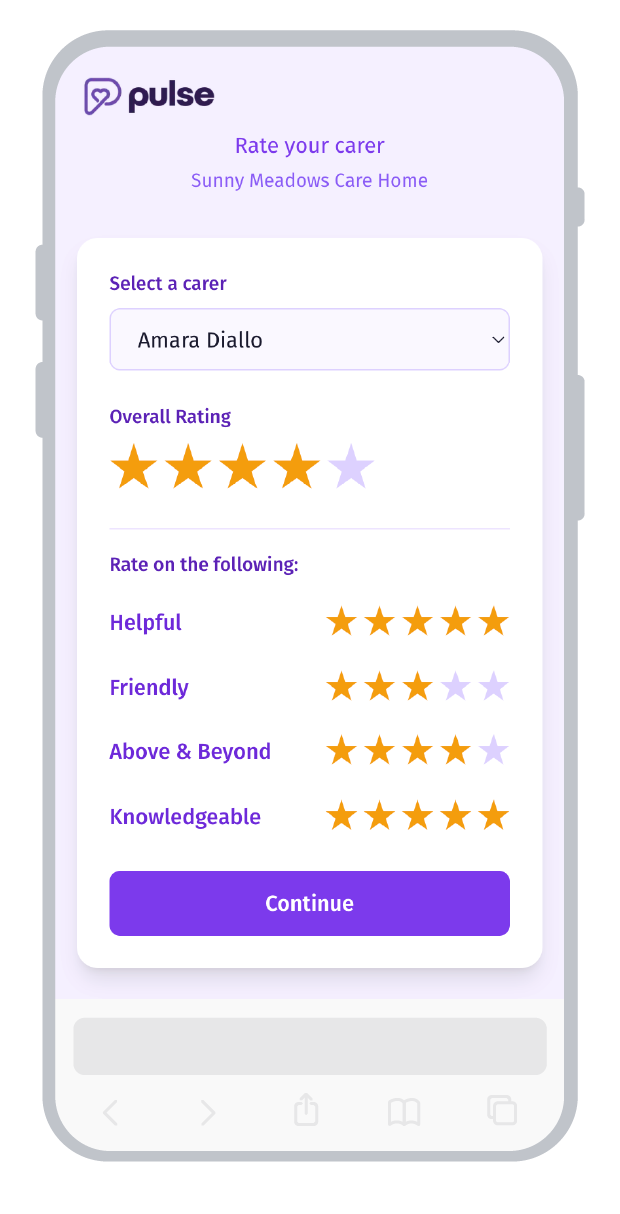
What this looks like in practice
What a fairer view of the veterinary team could reveal
Imagine a veterinary group using Pulse after consultations, nurse clinics, discharge conversations and ambulatory visits. Clients could recognise the colleague who explained clearly, handled an anxious animal gently or supported them through a difficult decision. Staff would receive those comments personally, while group leaders could review client-experience themes by role and practice. The resulting themes could inform recognition and improvement activity without implying a judgement on clinical outcome or Practice Standards Scheme accreditation.
Questions we're often asked
Who provides the feedback in a veterinary setting?
The respondent is normally the animal's owner, carer or responsible keeper, not the patient. They should describe their own experience and what they observed of the team's care and communication.
Which issues must still use formal veterinary routes?
Complaints, adverse-event review, medicine incidents, animal-welfare concerns and clinical governance stay within established processes. Pulse adds recognition-led client feedback, with lower-scoring submissions able to follow management review controls.
How can Pulse support Practice Standards Scheme evidence?
It can provide systematic client-feedback evidence and recurring themes relevant to Client Experience, Practice Team and Clinical Governance. It does not provide accreditation or demonstrate that a practice meets the scheme's requirements by itself.
Make room for recognition, even in difficult cases.
Give every member of the veterinary team a fairer share of client appreciation and give leaders clearer insight into the human care around the animal.