The destination matters. The people make the journey.
A reassuring word during a delay. A helping hand with a missed connection. Someone going the extra mile to make a journey easier. These are the moments passengers remember, but the people behind them rarely get the recognition they deserve.

Recognise the unsung heroes that get you where you need to be
Every positive passenger interaction is an opportunity to recognise your people, understand what makes great service and improve the experience across your operation.
People
Recognise the people who make the difference
Give frontline employees the recognition they deserve, directly from the passengers they help. Celebrate individual contributions, strengthen morale and make great work visible.
Passengers
Understand what passengers really value
Go beyond overall satisfaction scores. Discover what passengers appreciate about your staff, from helpful advice to exceptional care, and identify where service could be better.
Operators
Turn everyday feedback into better service
Spot emerging trends across teams and locations. Identify strengths, address recurring issues and give managers the insight to improve service before small problems become bigger ones.
What does 'great service' actually mean?
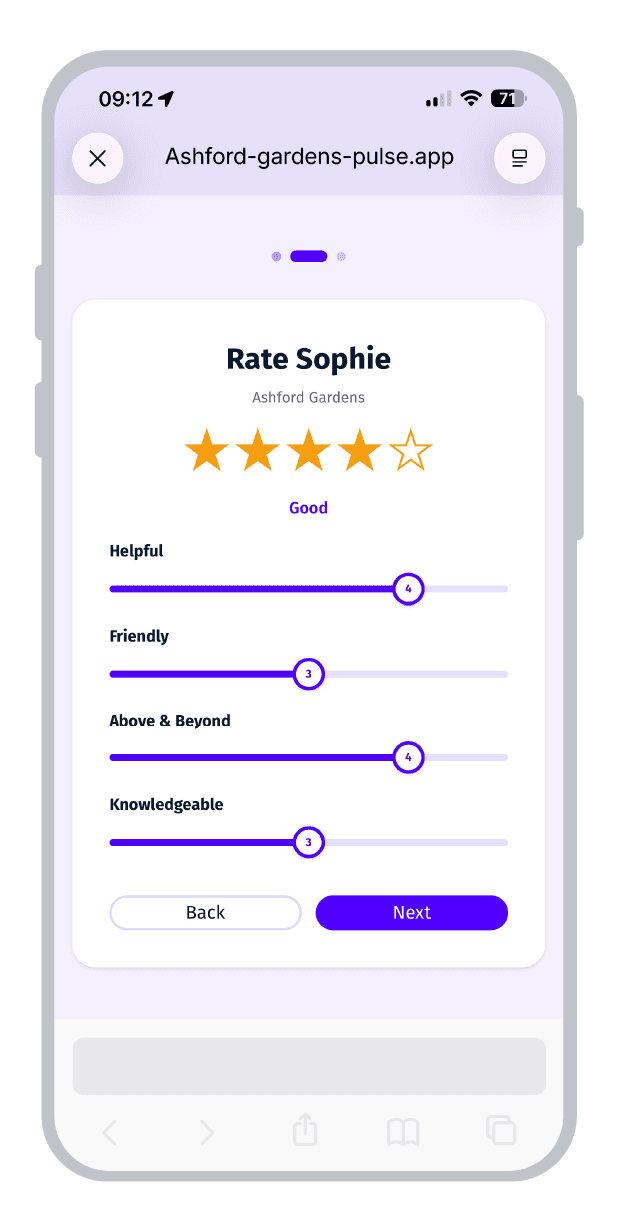
A five-star rating tells you someone was satisfied. It doesn't necessarily explain why.
Pulse asks passengers to rate the individual who helped them against four research-informed behaviours.
- Helpful
- Friendly
- Knowledgeable
- Above & Beyond
Passengers can also leave a comment about their experience.
Helpful
Did they solve a problem, offer assistance or make something easier?
Friendly
Were they approachable, patient and respectful?
Knowledgeable
Could they provide clear, accurate information and explain the available options?
Above & Beyond
Did they do something extra that made a difference?
Using a consistent set of behaviours makes feedback more useful than an overall rating alone. Managers can distinguish between the way employees communicate, the knowledge they demonstrate and the practical help they provide.
Give employees the credit. Give managers something to work with.
For employees
Recognition that reaches the right person.
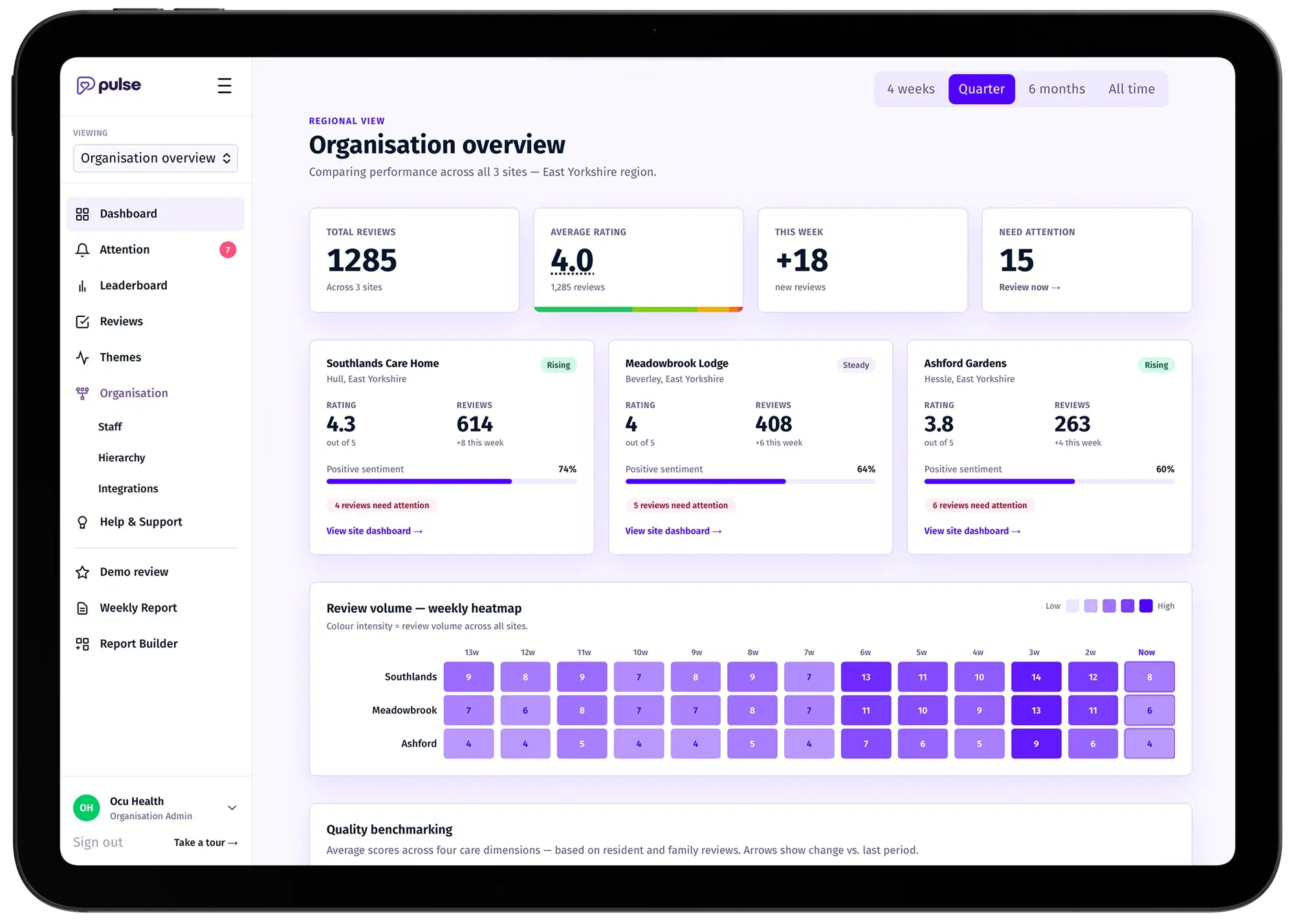
A passenger's appreciation becomes part of the named employee's Pulse history, creating a record of the contribution they make rather than leaving it buried in an organisation-wide review.
For managers
Make recognition and development more specific.
See which behaviours passengers consistently value and where feedback indicates support may be needed. Use that evidence to recognise good work, inform one-to-ones and focus coaching on identifiable needs.
For operators
Identify differences across the operation.
As feedback accumulates, compare patterns across teams, locations and roles. Identify where service appears consistent, where experiences vary and where a closer look may be warranted.
Put the invitation where the experience is still fresh.
Choose the touchpoints that suit your environment. Every route opens the same organisation-branded journey and feeds into the same secure Pulse dashboard.
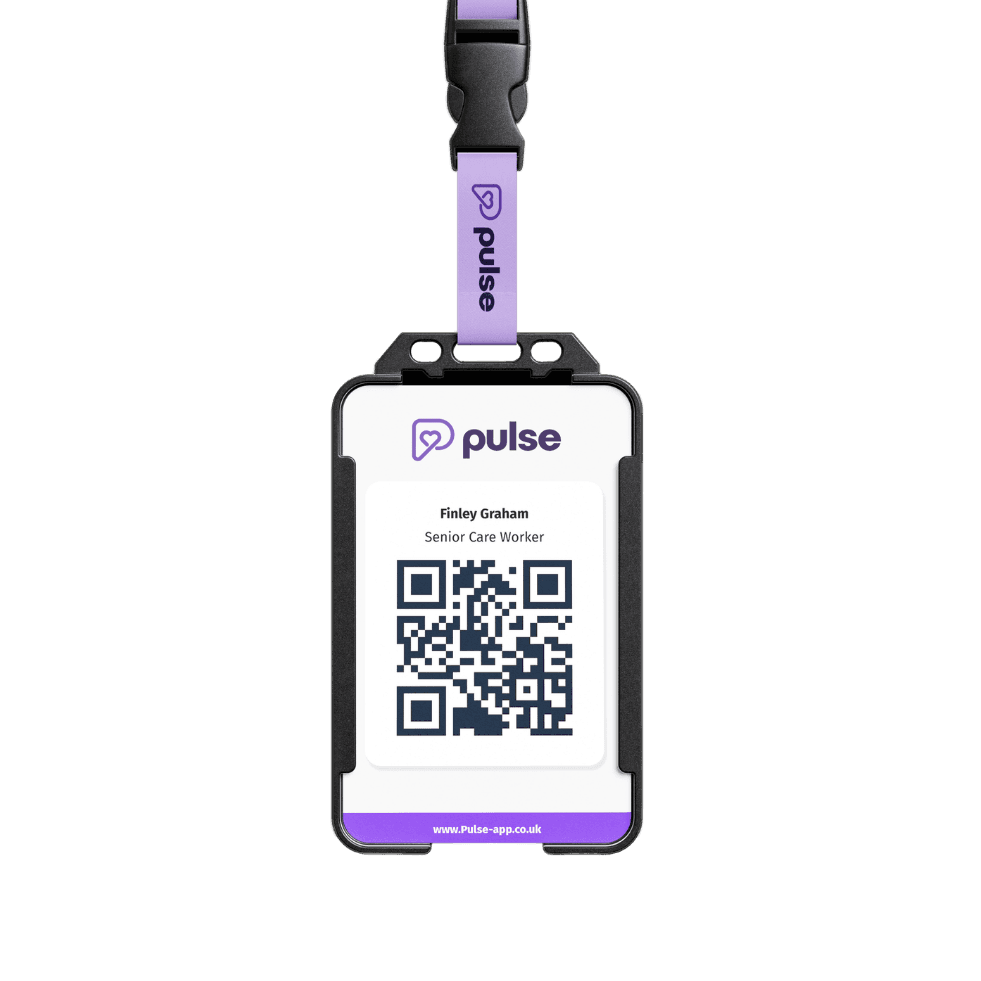
Lanyards and badges
Connect feedback directly to the named person at the point of care, support or service.
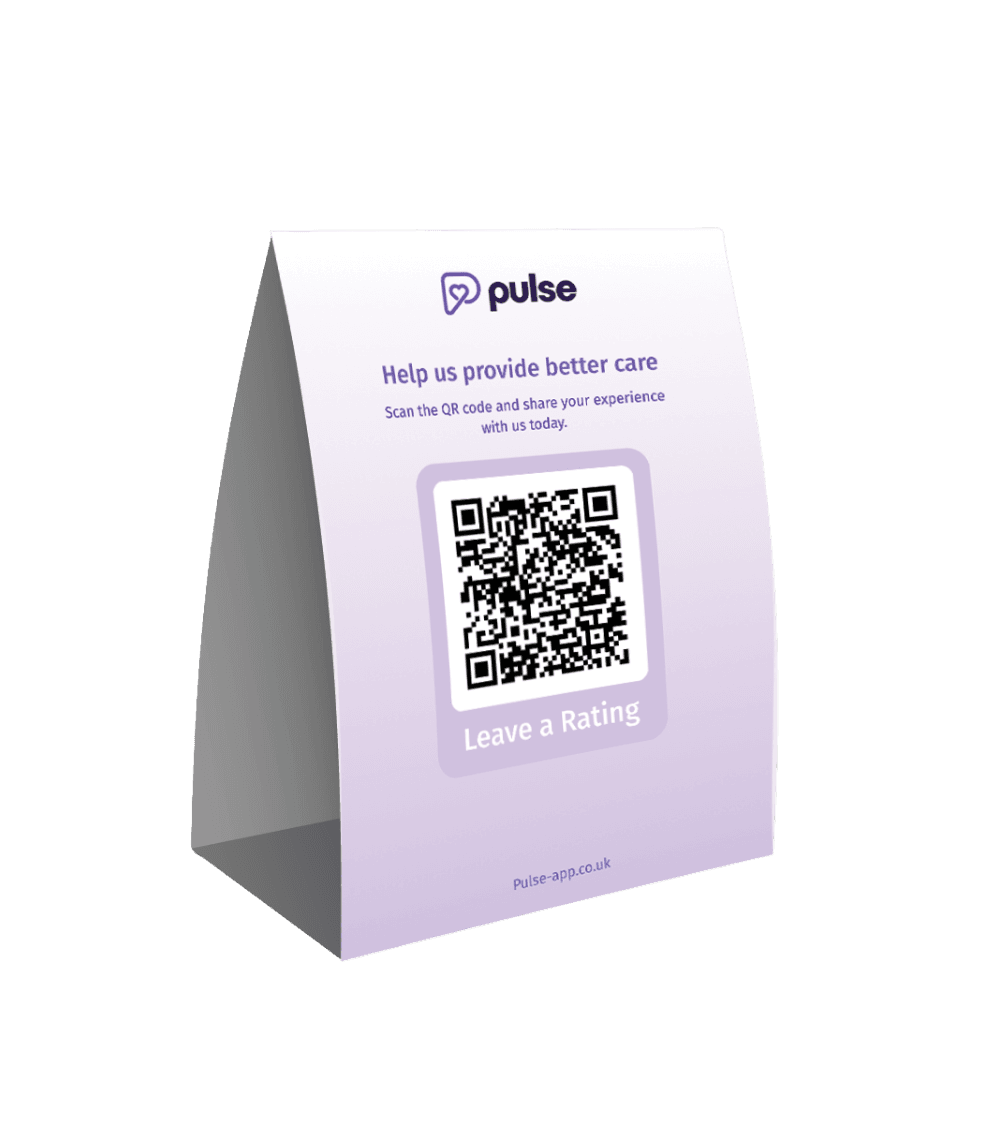
Room and setting stands
Give the people using or visiting a service a visible route to share feedback before they leave.
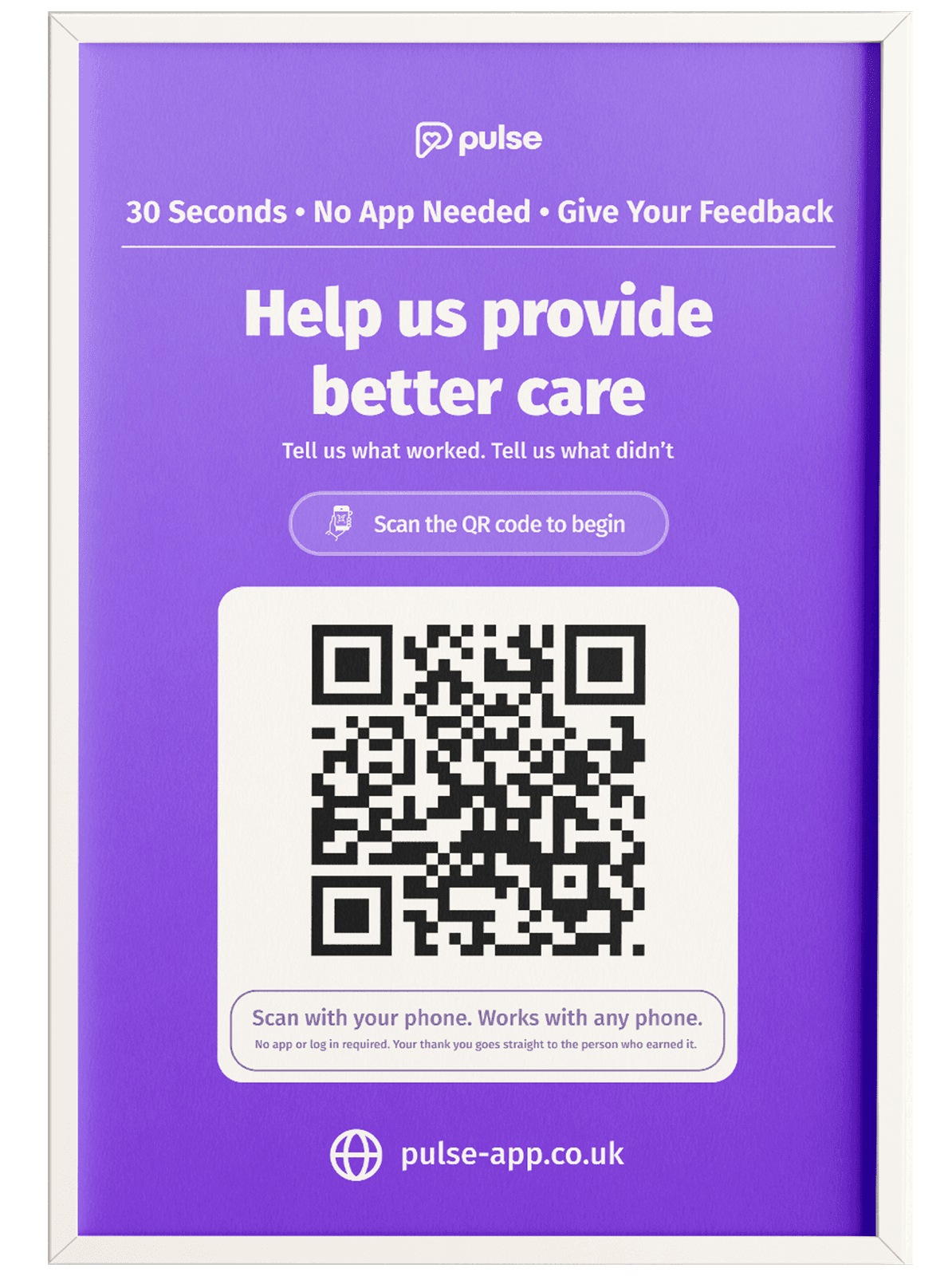
Welcome packs and posters
Create an accessible route that people can use during the experience or return to afterwards.
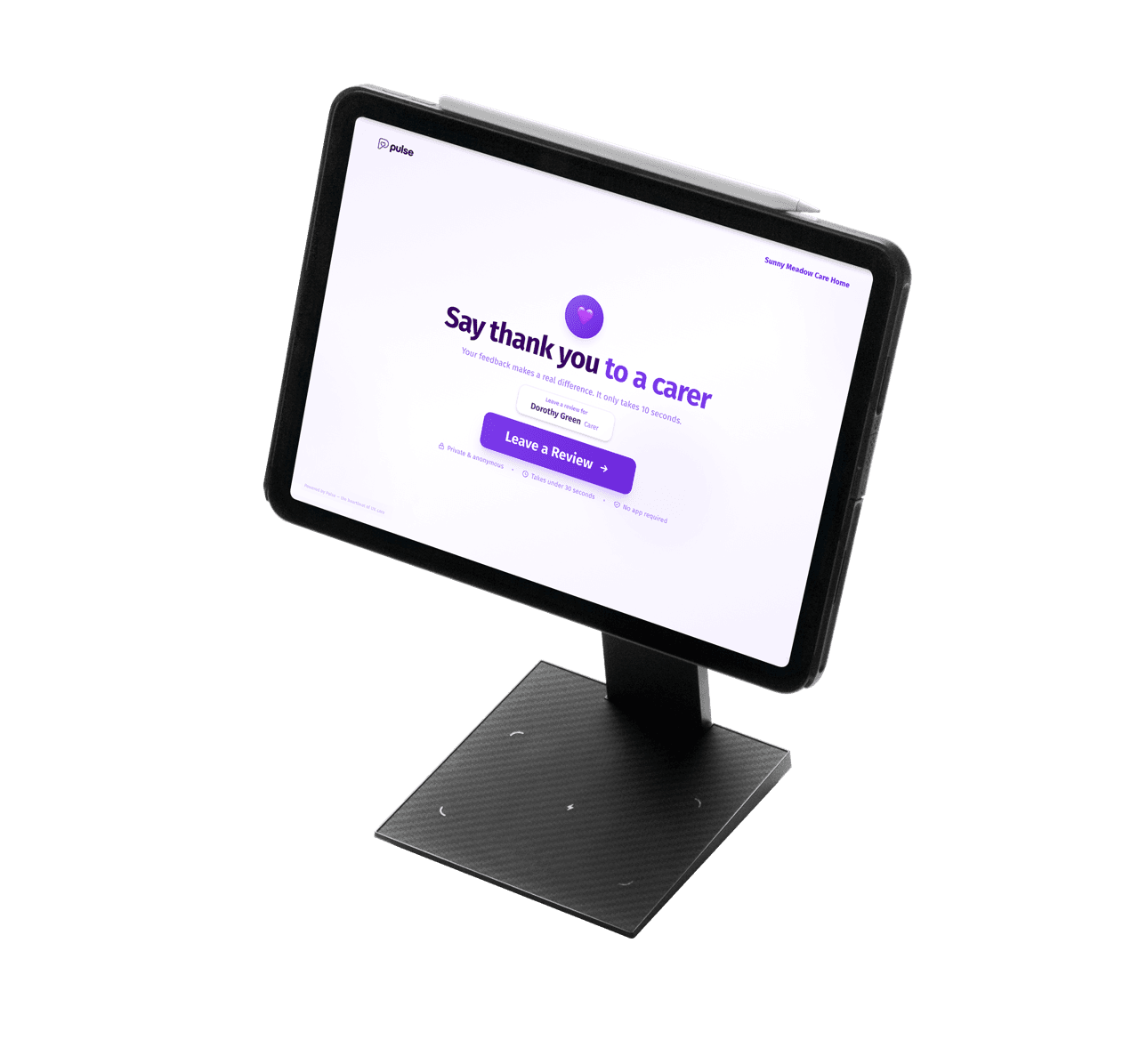
Shared tablets
Offer a managed feedback point in receptions, lounges and other communal areas.
Questions we're often asked
We already measure passenger satisfaction. What does Pulse add?
NPS, CSAT and other passenger surveys typically tell you how a journey or operator was rated. Pulse adds feedback about the individual employee who delivered the service.
Its four consistent behaviour measures help explain which aspects of frontline service passengers valued or found lacking, complementing existing customer experience reporting.
Do we need to integrate Pulse with our existing systems?
Pulse can be introduced using QR-based feedback journeys without requiring a ticketing-system integration for a trial.
Staff and location information can be configured within Pulse, with integration options available where appropriate for wider deployments.
What happens if feedback is negative or appears suspicious?
Pulse supports configurable management review processes for lower-rated feedback. The Integrity Engine also checks for unusual patterns that may indicate manipulation.
These controls help operators handle employee-level feedback responsibly. They do not replace formal complaints or incident reporting procedures.
See the service behind the score.
See how Pulse connects passenger feedback to individual employees, provides a clearer picture of frontline service and helps managers turn that evidence into practical action.